Essential Car Maintenance Tips Every Driver Should Know
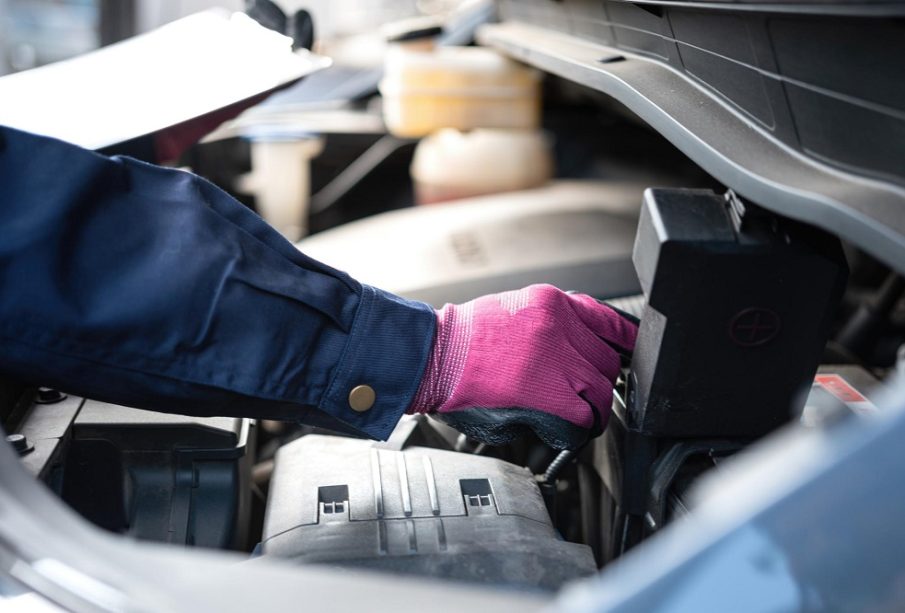
Keeping a car in good condition requires more than just filling the fuel tank and driving. Regular car maintenance helps extend the life of your vehicle, improves fuel efficiency, and prevents costly repairs. Many common mechanical issues occur simply because routine checks are ignored.
By following a few simple maintenance habits, drivers can ensure their vehicles remain reliable, safe, and efficient for years.
Why Regular Car Maintenance Matters
Routine vehicle maintenance is essential for maintaining performance and safety. Ignoring small problems often leads to larger mechanical failures that require expensive repairs.
Key Benefits of Proper Car Maintenance
- Improved vehicle safety
- Better fuel efficiency
- Reduced repair costs
- Longer vehicle lifespan
- Higher resale value
Taking time to inspect and maintain your car regularly can prevent unexpected breakdowns and ensure smoother driving.
Check and Change Engine Oil Regularly
Engine oil plays a crucial role in lubricating internal engine components and preventing excessive wear.
Why Engine Oil Is Important
- Reduces friction between engine parts
- Helps maintain proper engine temperature
- Prevents sludge buildup inside the engine
Maintenance Tips
- Check oil levels at least once a month
- Change engine oil every 5,000–10,000 kilometers, depending on the vehicle
- Always use the recommended oil grade specified in the owner’s manual
Clean oil helps the engine operate efficiently and significantly extends its lifespan.
Monitor Tire Pressure and Condition
Tires are the only part of the car that touches the road, making them critical for safety and handling.
Why Tire Maintenance Is Important
Proper tire maintenance improves vehicle stability, braking performance, and fuel efficiency.
Tire Care Tips
- Check tire pressure every two weeks
- Inspect tires for uneven wear or cracks
- Rotate tires every 8,000–10,000 kilometers
- Replace tires when tread depth becomes too low
Underinflated tires can increase fuel consumption and cause faster wear.
Inspect the Brake System
Brakes are one of the most important safety components of any vehicle. Regular brake inspections help prevent accidents and ensure reliable stopping power.
Signs Your Brakes Need Attention
- Squeaking or grinding noises
- Vibrations when braking
- Soft or spongy brake pedal
- Vehicle pulling to one side while braking
Maintenance Tips
- Inspect brake pads every 10,000–15,000 kilometers
- Replace worn brake pads promptly
- Check brake fluid levels periodically
A properly functioning brake system ensures maximum safety on the road.
Check the Car Battery
The battery powers your car’s electrical system and starts the engine. A weak battery can leave drivers stranded unexpectedly.
Battery Maintenance Tips
- Inspect battery terminals for corrosion
- Ensure connections are tight and clean
- Test battery voltage periodically
- Replace the battery every 3–5 years
Keeping the battery in good condition ensures reliable engine starts.
Replace Air Filters When Needed
Air filters prevent dust, dirt, and debris from entering the engine. A clogged filter restricts airflow, reducing engine performance.
Signs of a Dirty Air Filter
- Reduced fuel efficiency
- Slow engine acceleration
- Unusual engine sounds
- Dark smoke from exhaust
Maintenance Tips
- Check the air filter every 12,000–15,000 kilometers
- Replace it if it appears clogged or dirty
Clean air filters help engines perform efficiently and improve fuel economy.
Maintain Proper Fluid Levels
Modern vehicles rely on several fluids for smooth operation. Regularly checking fluid levels prevents mechanical damage.
Important Fluids to Monitor
- Engine coolant
- Transmission fluid
- Brake fluid
- Power steering fluid
- Windshield washer fluid
Maintenance Tips
- Inspect fluid levels during routine maintenance
- Look for leaks under the vehicle
- Top up fluids when levels drop below recommended marks
Proper fluid maintenance keeps major vehicle systems functioning correctly.
Keep the Cooling System in Good Condition
The cooling system prevents the engine from overheating during operation. Overheating can cause severe engine damage.
Cooling System Maintenance Tips
- Check coolant levels regularly
- Inspect radiator hoses for cracks
- Flush the cooling system as recommended by the manufacturer
- Ensure the radiator fan works properly
Maintaining the cooling system helps prevent engine overheating and expensive repairs.
Follow the Vehicle Service Schedule
Every vehicle manufacturer provides a recommended service schedule for maintenance tasks.
Typical Scheduled Services Include
- Oil and filter replacement
- Spark plug inspection
- Brake system checks
- Fluid replacement
- Timing belt inspection
Following the service schedule ensures your car remains in peak condition and prevents long-term mechanical problems.
Frequently Asked Questions (FAQ)
1. How often should a car be serviced?
Most vehicles should be serviced every 10,000–15,000 kilometers or once a year, depending on driving conditions and manufacturer recommendations.
2. What happens if you skip regular car maintenance?
Ignoring maintenance can lead to engine damage, reduced fuel efficiency, expensive repairs, and safety risks.
3. How can I improve my car’s fuel efficiency?
Maintaining proper tire pressure, clean air filters, regular oil changes, and smooth driving habits can significantly improve fuel efficiency.
4. How long does a typical car battery last?
A standard car battery usually lasts 3 to 5 years, depending on climate conditions and driving habits.
5. When should tires be replaced?
Tires should be replaced when tread depth reaches 1.6 mm or lower, or if visible cracks or damage appear.
6. Why is coolant important for the engine?
Coolant helps regulate engine temperature and prevents overheating, which can otherwise cause serious engine damage.
7. Can regular maintenance increase a car’s resale value?
Yes. A well-maintained car with a complete service history usually has a higher resale value and attracts more buyers.