The Science of Clean: How to Choose the Best Microfiber Towels for Your Home
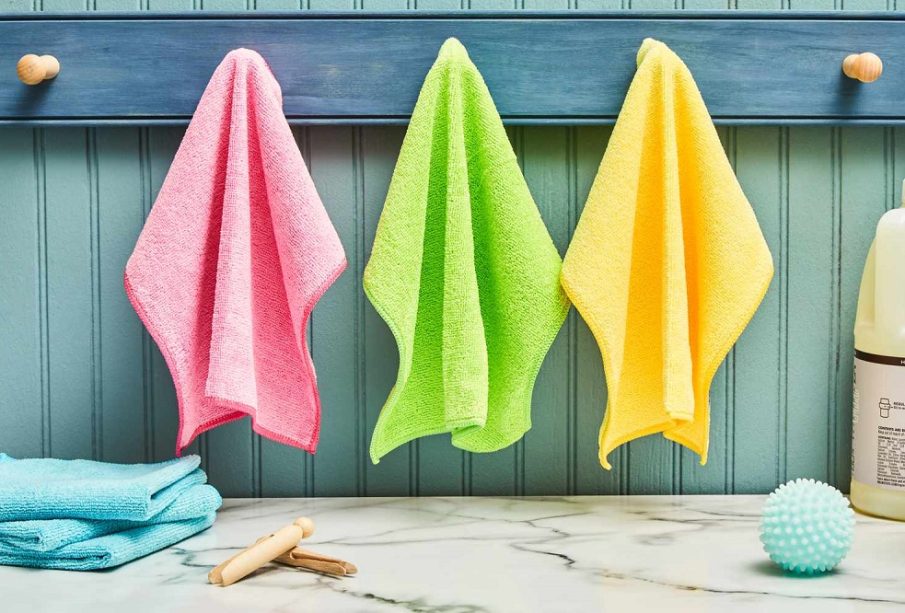
Microfiber has transformed from a specialty industrial product into an essential household tool. Unlike traditional cotton cloths that often just push dirt and liquid around, microfiber is engineered to trap particles within its microscopic fibers, offering a superior clean with less chemical intervention. However, as the popularity of these tools has grown, the market has become flooded with options ranging from premium professional grades to low-quality versions that lose their effectiveness after a single wash. Choosing the right shop wholesale microfiber towels for your home requires an understanding of fiber composition, weight, and the specific tasks you need to accomplish.
Understanding the Blend and Fiber Split
The effectiveness of a microfiber towel is determined by its chemical makeup. Most high-quality microfiber is a blend of polyester and polyamide. Polyester provides the structure and scrubbing power, while polyamide, which is a type of nylon, provides the absorbency and softness. A standard high-quality towel usually features an eighty-twenty or seventy-thirty blend of these two materials. When shopping for towels, checking the label for these ratios can give you an immediate indication of how the towel will perform.
Equally important is whether the fibers have been split. During manufacturing, the tiny strands are mechanically or chemically split to create even smaller filaments. This splitting process creates a massive surface area and tiny hooks that allow the cloth to grab dust, bacteria, and allergens. You can test this by running the palm of your hand over the cloth; a properly split microfiber towel will feel like it is slightly catching on the ridges of your skin. If it feels as smooth as a standard polyester shirt, it likely has not been split and will be far less effective at deep cleaning.
Weight and Density as Indicators of Quality
In the world of microfiber, weight is measured in grams per square meter, often abbreviated as GSM. This number tells you how dense the fibers are packed into the cloth. Low-GSM towels, typically between two hundred and three hundred, are thin and lightweight. These are ideal for basic tasks like wiping down kitchen counters or cleaning windows where you do not want a heavy, water-logged cloth. They dry quickly and are easy to wring out, making them a staple for daily maintenance.
High-GSM towels, ranging from four hundred to over six hundred, are much thicker and more plush. These are designed for tasks that require maximum absorbency or a very soft touch, such as drying large spills or buffing delicate surfaces like high-gloss furniture and stainless steel. While a higher GSM often correlates with higher quality and durability, it is not always better for every task. Using a thick, plush towel to clean a mirror can sometimes lead to streaking because the fibers hold onto too much moisture. Matching the density of the towel to the specific job is the key to achieving professional results.
Matching the Weave to the Surface
Microfiber comes in various weaves tailored to different cleaning challenges. The most common is the all-purpose terry weave, which features small loops of fiber that are excellent for general dusting and scrubbing. However, for specialized surfaces, you may want to look for specific textures. Waffle-weave towels, for instance, are designed specifically for drying. The indented pattern increases the surface area and allows the towel to hold significantly more water than a flat cloth, making them perfect for bathroom tiles or drying dishes.
For glass, mirrors, and electronic screens, a smooth, flat-weave microfiber is the best choice. These towels are almost silk-like in texture and are designed to polish without leaving behind any lint or streaks. At the other end of the spectrum are scrubby microfiber towels, which incorporate small strips of polypropylene to help break up stubborn, dried-on messes in the kitchen or bathroom. By keeping a small variety of weaves in your cleaning closet, you can ensure that you always have the right tool to protect and clean your home’s various finishes.
Conclusion
The transition from traditional cleaning rags to microfiber is one of the simplest ways to improve the hygiene and appearance of your living space. By paying attention to the blend of polyester and polyamide, selecting the appropriate GSM for the task, and utilizing specialized weaves, you can move away from disposable paper products and toward a more sustainable and effective cleaning routine. Investing in a set of high-quality microfiber towels pays for itself through longevity and the reduced need for expensive cleaning chemicals. When you choose the right tools, cleaning becomes less of a chore and more of a precise, satisfying science that leaves your home truly refreshed.