Motor Bike: A Complete Guide to Two-Wheeled Freedom
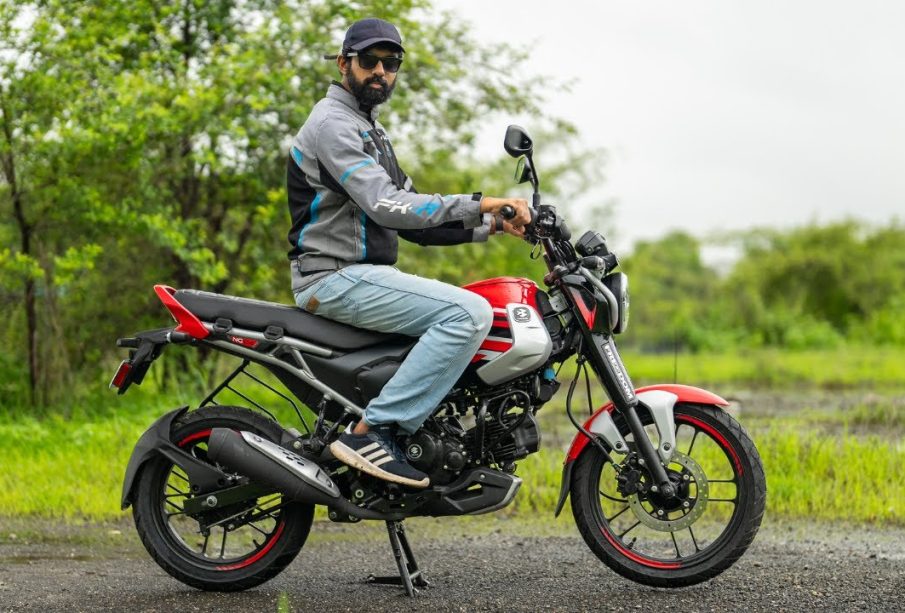
Motor bikes have become one of the most popular and practical forms of transportation around the world. Known for their speed, affordability, and maneuverability, they offer a unique blend of freedom and efficiency that larger vehicles often cannot match. From daily commuting to adventure touring, motor bikes serve a wide variety of purposes for riders of all experience levels.
In many regions, motorcycles are more than just transportation—they are part of a lifestyle. Riders enjoy the thrill of the open road, the connection with their machine, and the sense of independence that only two wheels can provide.
What Is a Motor Bike?
A motor bike, commonly called a motorcycle, is a two-wheeled motorized vehicle powered by an engine. It is designed to transport one or two riders and is controlled through handlebars, throttle, brakes, and a gear system.
Motor bikes vary widely in design and performance, but most share the same basic components:
- Engine – Provides the power to move the bike
- Frame – The structural backbone supporting all components
- Fuel tank – Stores gasoline or fuel
- Transmission system – Transfers engine power to the wheels
- Braking system – Ensures safe stopping
- Suspension – Helps absorb shocks and maintain stability
Modern motorcycles can range from small 100cc commuter bikes to high-performance machines exceeding 1000cc.
Types of Motor Bikes
Motor bikes come in many styles, each designed for a specific purpose and riding experience.
1. Standard Motorcycles
Standard motorcycles are versatile and easy to handle. They offer a comfortable riding position and balanced performance, making them ideal for everyday commuting.
2. Sport Bikes
Sport bikes are built for speed and performance. They feature aerodynamic designs, powerful engines, and advanced braking systems.
Key characteristics include:
- Aggressive riding position
- High horsepower engines
- Lightweight construction
- Precision handling
3. Cruiser Motorcycles
Cruisers focus on comfort and relaxed riding. They typically have low seats and forward-set footrests, making them popular for long rides.
4. Touring Motorcycles
Touring bikes are designed for long-distance travel. They often include additional features such as:
- Large fuel tanks
- Comfortable seats
- Wind protection
- Storage compartments
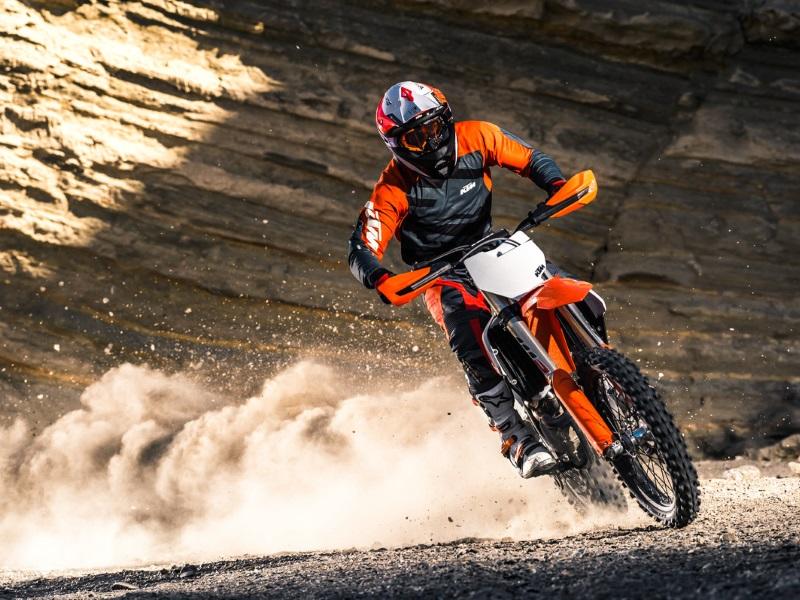
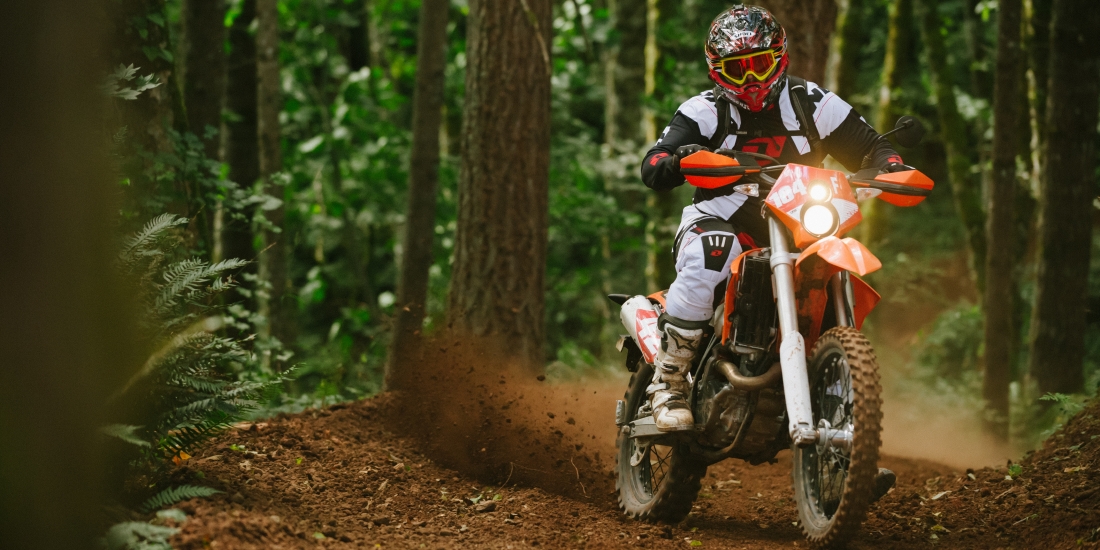
5. Adventure and Dual-Sport Bikes
These motorcycles are built for both on-road and off-road riding. They are commonly used for long adventures and exploration.
Key Benefits of Riding a Motor Bike
Motor bikes provide several advantages compared to larger vehicles.
Fuel Efficiency
Motorcycles generally consume less fuel than cars, making them a cost-effective option for daily transportation.
Easy Mobility
Their compact size allows riders to navigate traffic more easily and park in tight spaces.
Lower Ownership Costs
In many cases, motor bikes are cheaper to purchase, maintain, and insure compared to cars.
Riding Experience
Many riders enjoy the unique sense of freedom and connection to the road that motorcycles provide.
Essential Safety Tips for Riders
While motor bikes are convenient, safe riding is extremely important.
Important safety practices include:
- Always wear a helmet
- Use proper riding gear such as gloves and jackets
- Follow speed limits and traffic rules
- Maintain safe distances from other vehicles
- Keep the motorcycle well maintained
Protective gear can significantly reduce injuries during accidents.
Basic Maintenance for Motor Bikes
Regular maintenance ensures a motorcycle runs smoothly and safely.
Some key maintenance tasks include:
- Checking engine oil regularly
- Inspecting tire pressure and condition
- Cleaning and lubricating the chain
- Testing brakes and lights
- Scheduling periodic professional servicing
Proper care not only improves performance but also increases the lifespan of the bike.
How to Choose the Right Motor Bike
Selecting the right motorcycle depends on several factors.
Consider the Following
- Purpose of riding – commuting, touring, or sports riding
- Engine capacity – beginners often start with smaller engines
- Comfort and ergonomics
- Fuel efficiency
- Budget for purchase and maintenance
Beginners should prioritize ease of control and reliability rather than maximum speed or power.
The Growing Popularity of Motor Bikes
Motor bikes continue to gain popularity worldwide due to increasing traffic congestion and rising fuel costs. In urban areas, they offer a faster and more economical commuting solution.
Additionally, motorcycle culture has expanded through racing events, travel communities, and enthusiast clubs that celebrate riding as a hobby and lifestyle.
As technology evolves, modern motorcycles now include features such as anti-lock braking systems (ABS), traction control, and digital displays, improving both safety and performance.
Conclusion
Motor bikes combine practicality, affordability, and excitement in a way few other vehicles can. Whether used for daily commuting, long road trips, or recreational riding, motorcycles provide an unmatched sense of freedom and mobility.
With proper safety practices and regular maintenance, a motor bike can be both a reliable mode of transportation and an enjoyable riding companion for many years.
Frequently Asked Questions (FAQs)
1. What is the difference between a motor bike and a motorcycle?
The terms are often used interchangeably. In most contexts, motor bike and motorcycle refer to the same two-wheeled motorized vehicle.
2. What engine size is best for beginners?
Beginners usually start with motorcycles between 125cc and 300cc because they are easier to control and less intimidating.
3. Are motor bikes fuel efficient?
Yes. Many motorcycles provide significantly better fuel economy than cars, making them a cost-effective transportation option.
4. How often should a motorcycle be serviced?
Most motorcycles require servicing every 3,000 to 6,000 kilometers, depending on the model and riding conditions.
5. Is riding a motor bike difficult to learn?
With proper training and practice, most people can learn to ride a motorcycle safely. Many riders start by taking professional riding courses.
6. What protective gear should a rider use?
Essential riding gear includes:
- Helmet
- Riding gloves
- Protective jacket
- Riding boots
- Knee and elbow protection
7. Can motor bikes be used for long-distance travel?
Yes. Touring and adventure motorcycles are specifically designed for comfortable long-distance rides and often include storage and wind protection.