Car Dealer: A Complete Guide to Buying and Selling Vehicles

A car dealer plays a central role in the automotive marketplace, connecting vehicle manufacturers with consumers who want to buy or lease cars. Whether someone is searching for a brand-new model or a reliable used vehicle, dealerships offer inventory, financing options, warranties, and professional guidance throughout the purchasing process.
Understanding how car dealers operate can help buyers make better decisions and negotiate more confidently when purchasing a vehicle.
What Is a Car Dealer?
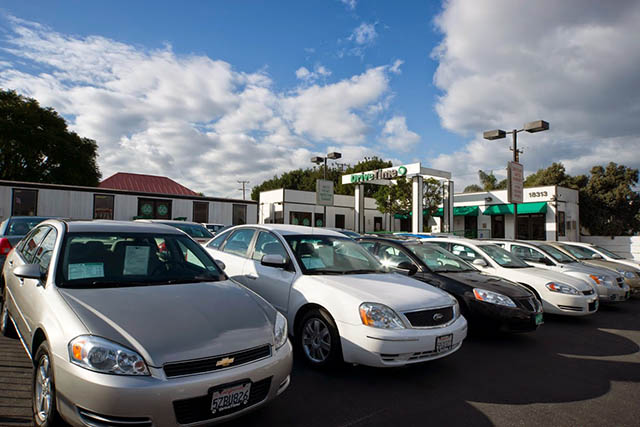
A car dealer is a licensed business that sells new or used vehicles to customers. Dealers typically operate through showrooms and outdoor vehicle lots where customers can explore available models.
There are generally two main types of car dealerships:
- New Car Dealerships – Authorized retailers that sell vehicles from specific manufacturers.
- Used Car Dealerships – Independent businesses that sell pre-owned vehicles from multiple brands.
Most dealerships also offer services such as financing, vehicle trade-ins, maintenance, and extended warranties.
Types of Car Dealers
New Car Dealers
New car dealerships operate under agreements with automobile manufacturers. They represent specific brands and must follow manufacturer guidelines for pricing, branding, and service.
Key features include:
- Access to the latest vehicle models
- Manufacturer warranties
- Certified service centers
- Factory-trained technicians
These dealerships usually have larger showrooms and offer customization options for vehicles.
Used Car Dealers
Used car dealers specialize in selling previously owned vehicles. They source inventory through trade-ins, auctions, fleet sales, and lease returns.
Benefits of buying from used car dealers include:
- Lower purchase price compared to new vehicles
- Wider selection of brands and models
- Opportunity to buy discontinued vehicles
Some dealerships also sell certified pre-owned (CPO) vehicles that have passed inspection standards.
Independent Dealers
Independent dealers operate without affiliation to a specific manufacturer. They typically focus on used cars and may specialize in certain vehicle types such as luxury cars, SUVs, or budget vehicles.
Services Offered by Car Dealers
Car dealerships provide more than just vehicle sales. They often act as full-service automotive providers.
Vehicle Financing
Many dealers partner with banks and lenders to offer auto financing. Customers can apply for loans directly at the dealership and choose repayment plans that fit their budget.
Trade-In Programs
If a buyer already owns a vehicle, dealerships often accept it as a trade-in, reducing the cost of the new purchase.
Vehicle Maintenance and Repairs
Authorized dealerships usually have service departments that provide:
- Routine maintenance
- Engine diagnostics
- Replacement parts
- Warranty repairs
Extended Warranties and Protection Plans
Dealers may offer additional protection plans such as:
- Extended warranties
- Roadside assistance
- Maintenance packages
These services provide long-term peace of mind for vehicle owners.
How Car Dealers Make Money
Car dealerships earn revenue from several sources beyond vehicle sales.
Primary income streams include:
- Vehicle markup: The difference between wholesale and retail price
- Financing commissions: Earned from lender partnerships
- Service and repairs: Maintenance and parts sales
- Insurance products: Extended warranties and protection plans
Because of these revenue streams, dealers may negotiate on vehicle prices while still maintaining profitability.
Tips for Buying a Car From a Dealer
Purchasing a vehicle from a dealership can be easier when buyers prepare in advance.
Helpful strategies include:
- Research vehicle prices before visiting the dealership
- Compare multiple dealerships to find competitive offers
- Take a test drive to evaluate performance and comfort
- Review financing terms carefully before signing any agreement
- Check vehicle history reports when buying used cars
Preparation helps buyers negotiate effectively and avoid unexpected costs.
Advantages of Buying From a Car Dealer
Many buyers prefer dealerships over private sellers due to the added security and services.
Major benefits include:
- Verified vehicle documentation
- Financing availability
- Trade-in options
- Access to certified vehicles
- Warranty coverage
Dealerships also provide legal paperwork and registration assistance, simplifying the buying process.
Potential Drawbacks
Although dealerships offer many benefits, buyers should still remain cautious.
Possible disadvantages include:
- Higher prices compared to private sellers
- Sales pressure during negotiations
- Additional fees for services or documentation
Understanding pricing and reading contracts carefully can help avoid these issues.
The Future of Car Dealerships
The automotive retail landscape is evolving rapidly with digital technology. Many dealerships now offer online inventory browsing, virtual tours, and digital paperwork to streamline the car-buying experience.
Emerging trends include:
- Online vehicle purchasing platforms
- Home delivery of vehicles
- Digital financing approvals
- Hybrid dealership models combining online and physical showrooms
Despite the rise of online sales, dealerships remain important because customers often prefer test driving and inspecting vehicles in person.
Frequently Asked Questions (FAQ)
1. What does a car dealer do?
A car dealer sells new or used vehicles and often provides additional services such as financing, maintenance, warranties, and trade-in programs.
2. Is it better to buy from a dealer or a private seller?
Buying from a dealer usually offers more security, warranty options, and financing availability, while private sellers may offer lower prices.
3. Can you negotiate prices with car dealers?
Yes. Most dealerships allow negotiation on vehicle price, trade-in value, financing rates, and additional services.
4. What is a certified pre-owned car?
A certified pre-owned vehicle is a used car inspected and approved by the manufacturer or dealership that usually includes an extended warranty.
5. Do car dealers offer financing for people with low credit?
Many dealerships work with lenders that provide financing options for buyers with different credit scores, though interest rates may vary.
6. How do car dealers determine trade-in value?
Dealers evaluate factors such as vehicle condition, mileage, market demand, and accident history when determining trade-in prices.
7. What documents are required when buying a car from a dealer?
Common documents include a valid ID, proof of address, driver’s license, insurance details, and financial paperwork if financing is involved.