Is the Subaru WRX Still Worth It in 2026? A Buyer’s Honest Look
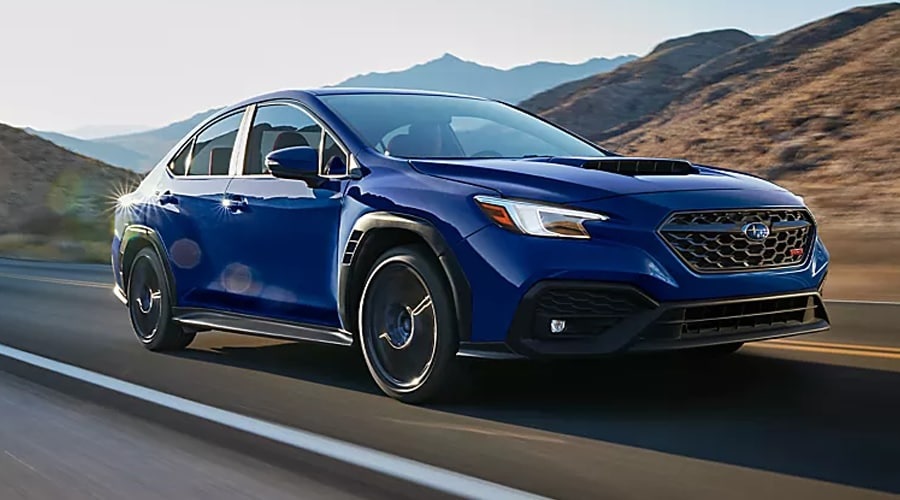
Performance car buyers have never had more choice, and never had more reason to be sceptical of marketing spin. Amid a market crowded with turbocharged hatches and increasingly electrified performance models, the Subaru brand has held onto something genuinely different: a driving character built around symmetrical all-wheel drive and a flat-four engine layout that simply doesn’t feel like anything else on the road. For enthusiasts weighing up their next daily-driven performance car, understanding what still makes this platform relevant is worth ten minutes of honest reading before you commit.
This isn’t a spec-sheet comparison. It’s a look at what actually matters once the car is in your driveway and the novelty of the test drive has worn off, whichever model you land on once you’ve browsed the full subaru line-up.
What Makes the Platform Different
Most performance cars in this price bracket rely on front-wheel drive with a hot-hatch mindset, or rear-wheel drive with a more traditional sports-car feel. The all-wheel-drive layout underpinning this platform takes a different approach entirely, sending power to all four corners through a symmetrical drivetrain design that keeps the car balanced rather than nose-heavy.
The practical upshot is traction that simply isn’t available from most rivals — particularly relevant for WA drivers who deal with everything from tight city streets to long, occasionally damp highway stretches heading south or up the coast. It’s a performance car that doesn’t ask you to wait for a dry Sunday to enjoy it.
Living With It Day to Day
Enthusiast culture tends to focus on lap times and 0-100 figures, but daily usability is where this car earns its reputation as a genuine all-rounder rather than a weekend toy:
- A proper boot and back seat, unlike many two-door alternatives in the same performance bracket
- All-wheel-drive grip that makes wet-weather commuting genuinely stress-free
- A cabin that’s comfortable enough for regular highway trips, not just short blasts
- Fuel economy that, while not class-leading, is realistic for a car with this level of performance
For buyers cross-shopping between a “fun car” and a “sensible car,” this platform has consistently landed somewhere that satisfies both requirements — which explains why resale demand tends to stay strong compared to more single-minded performance alternatives.
The Enthusiast Angle: Why Modification Culture Still Matters
Few performance platforms have built the kind of sustained aftermarket and enthusiast community that this one has over the past two decades. That matters for buyers thinking beyond the factory spec sheet:
- Wide availability of suspension, exhaust, and tuning options for those wanting a more aggressive setup
- Strong community knowledge base for maintenance, common issues, and long-term reliability
- A genuine sense of ownership culture — car meets, forums, and shared enthusiasm that adds value beyond the drive itself
If you’re the kind of buyer who enjoys researching every option before committing to a build, checking current subaru wrx listings and pricing is a useful first step to understand what factory specification looks like before layering on any personal modifications.
Manual vs Automatic: Still a Genuine Debate
Unlike most of the performance market, where manual transmissions have all but disappeared, this platform continues to offer a genuine choice between manual and automatic variants. Purists will always argue for the manual’s engagement and control, but the automatic options have improved significantly and suit buyers who want the performance character without the clutch-pedal commute through peak-hour traffic. Neither choice is wrong — it genuinely comes down to how and where you’ll be driving most often.
How It Compares to Rivals
Cross-shopping is healthy, and most serious buyers will test drive at least one hot hatch alongside this platform before deciding. The honest comparison usually comes down to:
- Traction and all-weather confidence — this platform’s genuine strength, particularly relevant outside dry, warm climates
- Character and engine sound — the flat-four layout produces a distinctive exhaust note that enthusiasts either love immediately or take a drive or two to appreciate
- Practicality — a sedan body style generally offers more usable space than a compact hatch rival
- Resale value — historically strong due to sustained enthusiast demand, which can offset a higher upfront price compared to some rivals
None of this makes the choice automatic, but it does explain why the platform continues to hold a loyal following rather than being overtaken entirely by newer alternatives.
What to Check Before Buying
Whether you’re looking at new or lightly used stock, a few checks are worth prioritising for this specific platform:
- Service history, particularly turbocharged engine maintenance intervals
- Evidence of any prior modifications and whether they were professionally installed
- Clutch condition on manual variants, especially on cars that have seen enthusiastic driving
- Tyre wear patterns, which can hint at how the car has genuinely been driven
A pre-purchase inspection from someone familiar with turbocharged all-wheel-drive platforms specifically is worth the modest cost, particularly on used examples.
Financing a Performance Purchase
Performance vehicles sometimes attract slightly different finance considerations than mainstream models, particularly around insurance costs for younger drivers. It’s worth getting an insurance quote before finalising finance, since premiums can vary significantly based on driver age, modification status, and postcode — all relevant factors for Perth-based enthusiasts.
Final Verdict
For buyers who want genuine performance character without sacrificing everyday usability, this platform remains one of the most distinctive options in its price bracket. The combination of all-weather traction, a loyal enthusiast community, and a driving experience that still feels meaningfully different from front-wheel-drive rivals is exactly why it’s held its relevance across multiple generations. It won’t suit everyone — buyers chasing outright lap times or maximum fuel economy have other options — but for those wanting a car that’s genuinely enjoyable every single day, it’s still very much worth serious consideration.