Driving Tips: Practical Advice for Safer and Smarter Driving
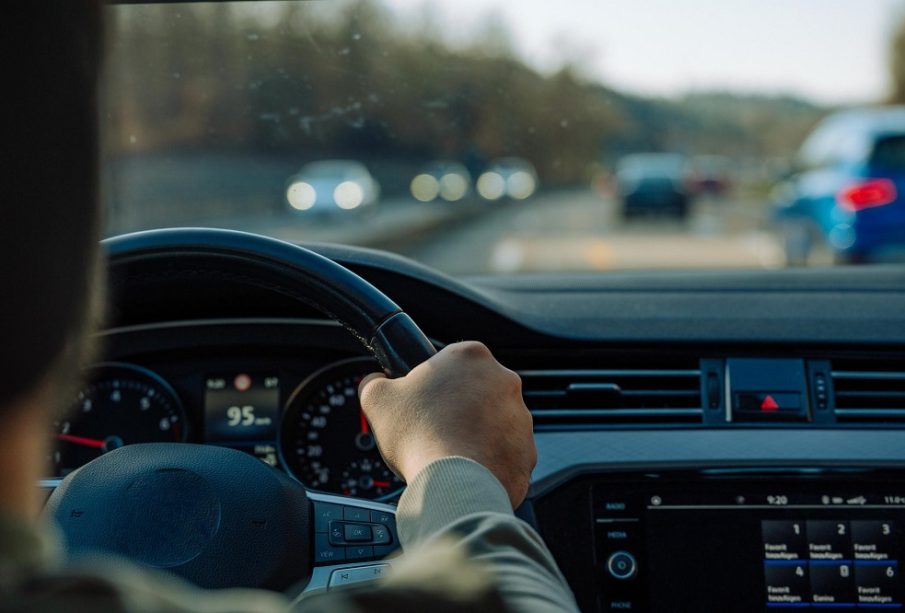
Driving is more than simply operating a vehicle. It requires awareness, responsibility, and good decision-making. Whether you are a beginner or an experienced driver, practicing safe driving habits can significantly reduce accidents and make every journey smoother.
This guide shares essential driving tips that help improve safety, confidence, and vehicle control on the road.
Prepare Before You Start Driving
Preparation plays a major role in safe driving. Many accidents occur because drivers rush onto the road without checking basic things.
Key Pre-Driving Checks
Before turning the ignition, make sure you:
- Adjust mirrors properly so you can see traffic behind and beside you.
- Fasten your seatbelt and ensure passengers do the same.
- Check fuel level to avoid sudden stops.
- Inspect tire pressure and look for visible damage.
- Adjust your seat and steering wheel for comfortable control.
Taking just a minute to complete these checks can prevent unexpected issues during your drive.
Maintain Proper Road Awareness
One of the most important driving skills is situational awareness. Good drivers constantly observe what is happening around them.
How to Stay Aware While Driving
- Keep your eyes moving between mirrors, road, and dashboard.
- Watch for pedestrians, cyclists, and sudden lane changes.
- Avoid distractions such as texting or adjusting your phone.
- Anticipate traffic signals and slowing vehicles ahead.
Drivers who stay alert can react quickly and avoid many dangerous situations.
Follow Defensive Driving Principles
Defensive driving means anticipating potential hazards and reacting safely before they become serious problems.
Defensive Driving Techniques
- Maintain a safe following distance (at least 2–3 seconds behind the vehicle ahead).
- Slow down in heavy traffic or poor weather.
- Avoid aggressive drivers and give them space.
- Always assume other drivers may make mistakes.
By practicing defensive driving, you reduce the chances of collisions even when others drive carelessly.
Control Your Speed
Speed control is critical for road safety. Driving too fast reduces reaction time and increases the severity of accidents.
Smart Speed Management
- Follow posted speed limits on every road.
- Reduce speed near schools, residential areas, and intersections.
- Slow down during rain, fog, or low visibility.
- Avoid sudden acceleration or harsh braking.
Driving at a controlled speed gives you more time to react and maintain vehicle stability.
Use Signals and Indicators Properly
Clear communication helps other drivers understand your intentions.
Proper Signaling Practices
- Use turn indicators at least 3–5 seconds before turning.
- Signal when changing lanes.
- Avoid sudden turns without warning.
- Check mirrors and blind spots before moving.
Proper signaling reduces confusion and prevents many road accidents.
Handle Different Road Conditions Safely
Road conditions can change quickly, and drivers must adjust accordingly.
Driving in Rain
- Reduce speed and increase following distance.
- Use headlights to improve visibility.
- Avoid sudden braking to prevent skidding.
Driving at Night
- Use low beams when other vehicles approach.
- Watch for pedestrians and animals.
- Keep windshields clean to reduce glare.
Driving on Highways
- Maintain lane discipline.
- Overtake only when it is safe.
- Keep a steady speed with traffic flow.
Adjusting your driving style to road conditions is essential for safe travel.
Avoid Common Driving Mistakes
Even experienced drivers can develop bad habits. Being aware of them helps improve driving behavior.
Common Errors to Avoid
- Using mobile phones while driving
- Tailgating other vehicles
- Ignoring blind spots
- Sudden lane changes
- Driving while tired or stressed
Eliminating these habits can significantly improve road safety.
Keep Your Vehicle Well Maintained
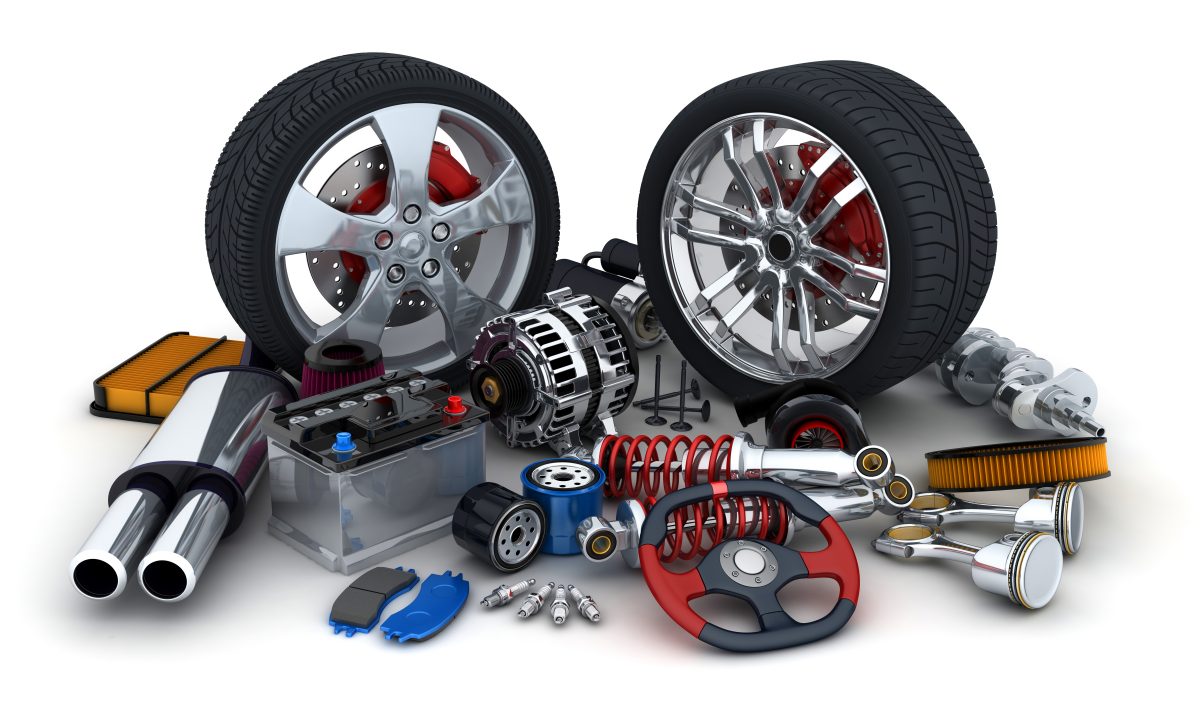
Vehicle maintenance directly affects driving performance and safety.
Important Maintenance Tasks
- Regular brake inspection
- Tire rotation and pressure checks
- Oil changes at recommended intervals
- Working headlights, indicators, and brake lights
A well-maintained vehicle responds better and reduces the chances of breakdowns.
Develop Calm and Responsible Driving Habits
Driving with patience and discipline improves safety for everyone on the road.
Good Driver Habits
- Stay calm in traffic congestion.
- Respect traffic rules and road signs.
- Be courteous to other drivers.
- Plan routes in advance to avoid rushing.
Responsible drivers help create safer roads and smoother traffic flow.
Frequently Asked Questions (FAQs)
1. What is the most important rule for safe driving?
The most important rule is to stay alert and avoid distractions, especially mobile phone use while driving.
2. How can beginners improve driving confidence?
Beginners can build confidence by practicing regularly, driving in low-traffic areas first, and gradually moving to busier roads.
3. Why is maintaining a safe following distance important?
It provides enough reaction time to stop safely if the vehicle ahead suddenly brakes.
4. What should drivers do during foggy conditions?
Use low-beam headlights, reduce speed, and maintain extra distance from other vehicles.
5. How often should a vehicle be serviced?
Most vehicles should be serviced every 5,000–10,000 km, depending on manufacturer recommendations.
6. Why is checking blind spots necessary?
Mirrors do not cover every angle. Checking blind spots helps avoid collisions when changing lanes.
7. What should you do if another driver behaves aggressively?
Stay calm, avoid confrontation, maintain distance, and allow the aggressive driver to pass safely.