Car Service: A Complete Guide to Keeping Your Vehicle in Top Condition
Regular car service plays a vital role in maintaining the performance, safety, and lifespan of your vehicle. Whether you drive daily for work or occasionally for travel, routine servicing ensures your car remains reliable and efficient. Ignoring maintenance can lead to costly repairs and even safety risks on the road.
This guide explains what car servicing involves, why it is essential, and how often you should schedule it.
What is Car Service?
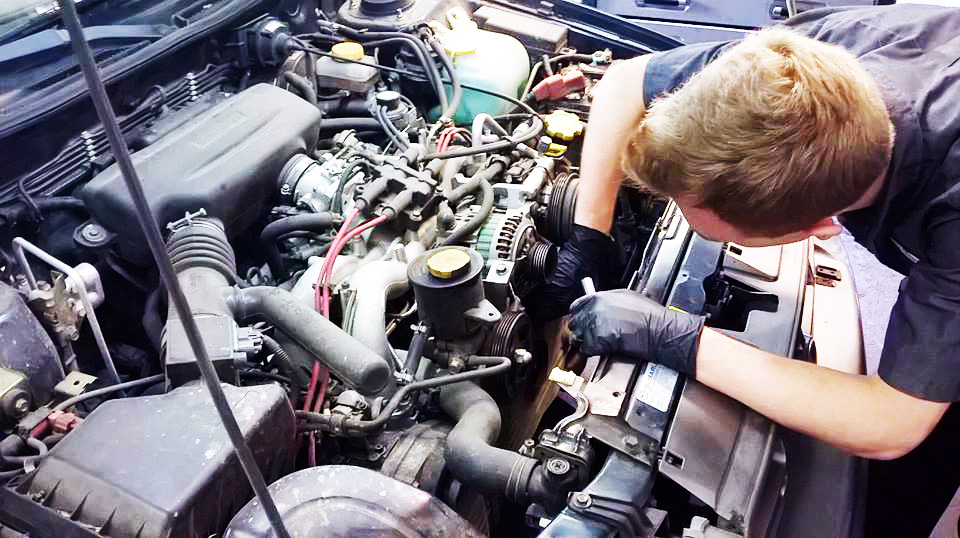
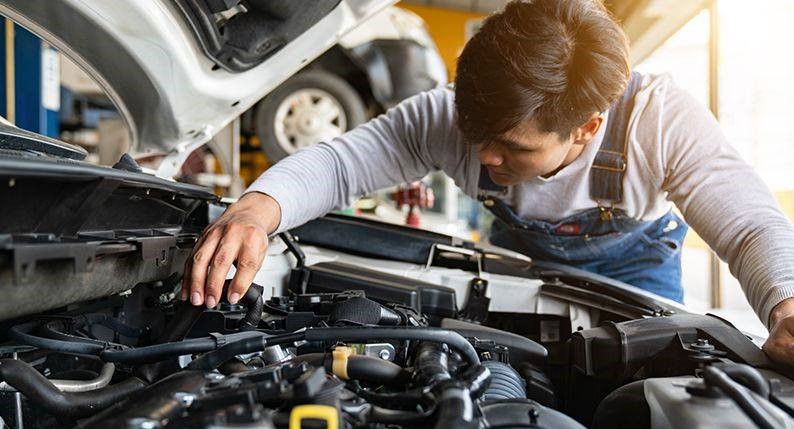
Car service refers to routine inspection, maintenance, and replacement of essential vehicle components to keep a car functioning properly. During servicing, trained technicians examine different parts of the vehicle to ensure everything operates safely and efficiently.
Typical servicing includes checking the engine, brakes, tires, fluids, and electrical systems. It may also involve replacing worn-out parts and updating vehicle software in modern cars.
Why Regular Car Service is Important
Regular servicing provides several benefits that extend beyond basic maintenance.
Key advantages include:
- Improved safety: Ensures brakes, tires, and steering systems work properly.
- Better performance: Maintains engine efficiency and smooth driving.
- Higher fuel efficiency: A well-maintained engine consumes less fuel.
- Longer vehicle lifespan: Reduces wear and tear on important components.
- Lower repair costs: Detects small issues before they become expensive repairs.
- Better resale value: A properly serviced vehicle retains its market value.
Skipping routine service can lead to engine damage, brake failure, or other mechanical problems.
Types of Car Service
Car servicing generally falls into several categories depending on the level of inspection and maintenance required.
1. Basic Car Service
This is the most common type of servicing, usually performed every few months or after a specific mileage.
Typical tasks include:
- Engine oil replacement
- Oil filter replacement
- Fluid top-up (coolant, brake fluid, windshield fluid)
- Basic vehicle inspection
- Tire pressure check
2. Interim Service
Interim service is more detailed than a basic service and is recommended for drivers who frequently use their vehicles.
It usually includes:
- Oil and filter replacement
- Brake inspection
- Suspension check
- Steering system inspection
- Battery testing
3. Full Car Service
A full service is a comprehensive inspection of the entire vehicle.
This may include:
- Engine diagnostics
- Brake system check
- Air filter replacement
- Spark plug inspection
- Exhaust system inspection
- Transmission check
- Cooling system inspection
4. Major Service
Major servicing is performed after long intervals or high mileage.
It typically involves:
- Replacing spark plugs
- Changing brake fluid
- Replacing air and cabin filters
- Inspecting timing belt
- Detailed engine inspection
Key Components Checked During Car Service
Professional car servicing focuses on several important vehicle systems.
Engine
The engine is the heart of a vehicle. Mechanics check oil levels, belts, filters, and overall engine performance.
Brakes
Brake pads, discs, and brake fluid are inspected to ensure the vehicle can stop safely.
Tires
Technicians inspect:
- Tire pressure
- Tread depth
- Wheel alignment
- Tire wear patterns
Battery
Battery health is tested to ensure reliable starting and electrical performance.
Fluid Levels
Important fluids checked include:
- Engine oil
- Coolant
- Brake fluid
- Transmission fluid
- Power steering fluid
How Often Should You Service Your Car?
Service intervals vary depending on the car model, driving habits, and manufacturer recommendations.
General guidelines include:
- Every 5,000–10,000 km: Basic service
- Every 6 months: Interim inspection
- Every 12 months: Full service
- Every 2–3 years: Major service
Always check your vehicle’s owner manual for exact servicing schedules.
Signs Your Car Needs Immediate Service
Sometimes your vehicle may require servicing earlier than scheduled. Watch for warning signs such as:
- Unusual engine noises
- Warning lights on the dashboard
- Reduced fuel efficiency
- Vibrations while driving
- Difficulty starting the engine
- Smoke from the exhaust
- Braking problems
If any of these symptoms appear, it is best to consult a professional mechanic immediately.
Tips for Maintaining Your Car Between Services
Proper maintenance between scheduled services can improve vehicle performance and reduce repair costs.
Helpful maintenance tips:
- Check engine oil regularly
- Maintain proper tire pressure
- Keep the car clean inside and outside
- Replace worn windshield wipers
- Monitor dashboard warning lights
- Avoid aggressive driving habits
Consistent care helps prevent unexpected breakdowns.
Choosing a Reliable Car Service Center
Selecting the right service provider ensures quality maintenance and accurate diagnostics.
Consider the following factors:
- Certified and experienced mechanics
- Modern diagnostic equipment
- Transparent pricing
- Genuine spare parts
- Positive customer reviews
- Warranty on services
A trustworthy service center can help maintain your vehicle’s performance for years.
Conclusion
Regular car service is essential for vehicle safety, reliability, and long-term performance. Routine inspections help detect potential issues early and ensure all components operate efficiently. By following recommended service schedules and practicing basic maintenance, you can extend the life of your vehicle and enjoy smoother, safer driving.
FAQ
1. What happens if I skip regular car servicing?
Skipping service can lead to engine wear, poor fuel efficiency, and serious mechanical problems that may require expensive repairs.
2. How long does a typical car service take?
A basic service usually takes 1–2 hours, while a full service may require 3–4 hours depending on the vehicle and inspection requirements.
3. Is car servicing expensive?
Costs vary depending on the type of service and car model. Basic services are usually affordable, while major services may cost more due to part replacements.
4. Can I service my car at home?
Some simple tasks like checking oil, tire pressure, or replacing wiper blades can be done at home. However, professional servicing is recommended for detailed inspections.
5. What is included in an oil change service?
An oil change typically includes draining old engine oil, replacing the oil filter, and filling the engine with fresh oil.
6. Does regular servicing improve fuel efficiency?
Yes. A well-maintained engine and properly inflated tires help the vehicle consume less fuel.
7. Should I service my car even if I don’t drive often?
Yes. Even if a car is used rarely, fluids, batteries, and other components can degrade over time, making regular service necessary.