Essential Car Engine Parts and Their Functions
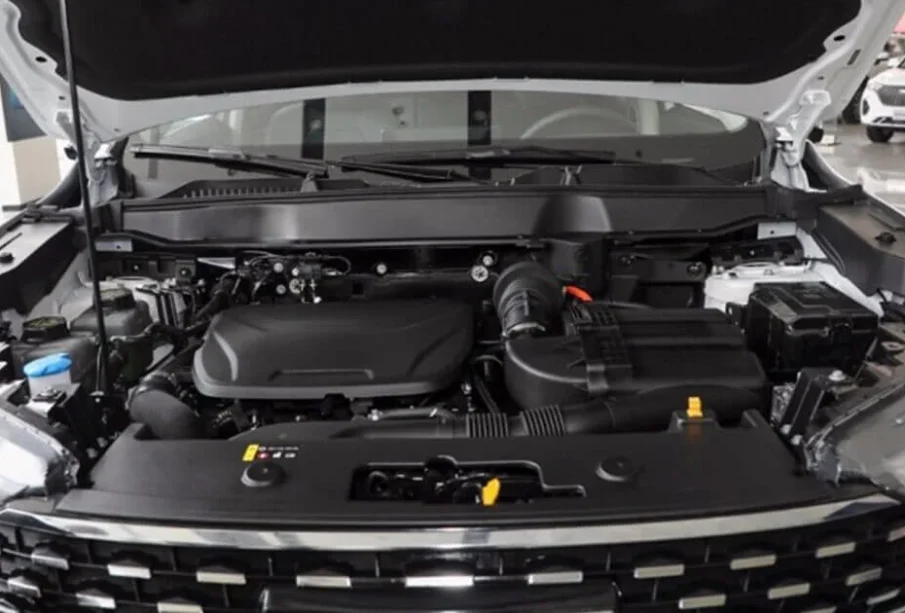
The car engine is the heart of a vehicle, responsible for converting fuel into mechanical power that moves the car. It contains multiple interconnected components that work together in a precise sequence to generate energy efficiently.
Understanding essential car engine parts and their functions helps vehicle owners recognize potential issues early, perform better maintenance, and extend the lifespan of their vehicles.
What Is a Car Engine?
A car engine is a complex mechanical system designed to convert fuel into motion through combustion. Most vehicles today use internal combustion engines where fuel and air mix inside cylinders and ignite to produce power.
This process involves many moving components that must operate in perfect coordination for the engine to run smoothly.
Major Engine Parts and Their Functions
1. Engine Block
The engine block is the main structural component of the engine. It houses several crucial internal parts and forms the foundation of the entire engine assembly.
Functions of the engine block
- Contains the cylinders where combustion occurs
- Supports moving engine components
- Provides channels for coolant and oil circulation
- Maintains engine alignment and structural stability
Most engine blocks are made from cast iron or aluminum alloys to provide strength and heat resistance.
2. Pistons
Pistons are cylindrical components that move up and down inside the engine cylinders during combustion.
Functions of pistons
- Compress the air-fuel mixture
- Transfer combustion force to the connecting rod
- Convert expanding gases into mechanical movement
The piston motion is essential for producing the power that ultimately drives the vehicle.
3. Connecting Rod
The connecting rod links the piston to the crankshaft.
Key functions
- Transfers power generated by the piston
- Converts vertical piston movement into rotational motion
- Helps maintain proper mechanical balance inside the engine
Connecting rods are typically made from forged steel or aluminum for durability.
4. Crankshaft
The crankshaft is one of the most critical engine components because it converts piston movement into rotational energy.
Functions of the crankshaft
- Converts linear piston motion into rotation
- Transfers power to the transmission system
- Helps maintain smooth engine operation
The crankshaft rotates thousands of times per minute when the engine is running.
5. Camshaft
The camshaft controls the opening and closing of engine valves.
Functions of the camshaft
- Regulates intake and exhaust valve timing
- Ensures proper air-fuel mixture entry
- Allows exhaust gases to exit the cylinder
Precise valve timing is crucial for engine efficiency and performance.
6. Engine Valves
Engine valves control the flow of air, fuel, and exhaust gases within the combustion chamber.
There are two main types:
- Intake valves – allow the air-fuel mixture to enter the cylinder
- Exhaust valves – release burnt gases after combustion
Proper valve operation ensures smooth combustion cycles.
7. Spark Plug
Spark plugs play a vital role in gasoline engines by igniting the air-fuel mixture inside the cylinder.
Functions of spark plugs
- Generate an electric spark
- Initiate combustion inside the cylinder
- Support efficient fuel burning
Faulty spark plugs can lead to engine misfires, poor fuel efficiency, and rough engine performance.
8. Timing Belt or Timing Chain
The timing belt or timing chain synchronizes the movement of the crankshaft and camshaft.
Functions
- Maintains precise valve timing
- Ensures pistons and valves move in correct sequence
- Prevents engine damage caused by misalignment
Timing belts usually require replacement after a specific mileage interval.
9. Cylinder Head
The cylinder head sits on top of the engine block and forms the top portion of the combustion chamber.
Functions of the cylinder head
- Houses intake and exhaust valves
- Contains spark plugs or fuel injectors
- Supports airflow and combustion efficiency
Cylinder heads are carefully designed to optimize airflow and fuel combustion.
10. Fuel Injectors
Fuel injectors deliver fuel directly into the combustion chamber or intake manifold.
Functions
- Spray fuel in precise amounts
- Improve fuel efficiency
- Ensure proper combustion
Modern vehicles rely on electronic fuel injection systems for accurate fuel control.
How These Engine Parts Work Together
The engine operates through a cycle known as the four-stroke combustion process, which includes:
- Intake stroke – air and fuel enter the cylinder
- Compression stroke – the piston compresses the mixture
- Power stroke – the spark plug ignites the mixture, creating power
- Exhaust stroke – burnt gases exit the cylinder
All engine components must operate in perfect synchronization to complete this cycle efficiently.
Importance of Maintaining Engine Components
Proper engine maintenance ensures reliability, performance, and fuel efficiency.
Key maintenance practices include:
- Regular engine oil changes
- Replacing air filters and fuel filters
- Checking spark plugs and ignition components
- Monitoring coolant levels
- Inspecting timing belts and hoses
Routine maintenance reduces the risk of major engine damage and costly repairs.
Conclusion
Car engines consist of numerous interconnected components that work together to convert fuel into mechanical power. Essential parts such as pistons, crankshafts, camshafts, valves, spark plugs, and fuel injectors play crucial roles in ensuring efficient engine operation.
Understanding these engine components helps vehicle owners make better maintenance decisions, recognize early warning signs of problems, and keep their vehicles running smoothly for many years.
Frequently Asked Questions (FAQs)
1. What is the most important part of a car engine?
The engine block is often considered the most important part because it houses the cylinders and supports most of the internal engine components.
2. How many pistons does a typical car engine have?
Most vehicles have 4, 6, or 8 pistons, depending on the engine design and performance requirements.
3. What happens if the timing belt fails?
A broken timing belt can cause severe engine damage, especially in interference engines where pistons and valves may collide.
4. How often should spark plugs be replaced?
Spark plugs typically need replacement every 30,000 to 100,000 kilometers, depending on the type and manufacturer recommendations.
5. What is the function of the crankshaft in an engine?
The crankshaft converts the up-and-down motion of pistons into rotational motion, which powers the vehicle’s drivetrain.
6. Can a car run with a damaged cylinder head?
A damaged cylinder head can cause engine overheating, oil leaks, and loss of compression, making it unsafe to drive the vehicle.
7. How do fuel injectors improve engine performance?
Fuel injectors deliver precise amounts of fuel into the engine, which improves fuel efficiency, combustion, and overall engine performance.