How to Diagnose Engine Noise in Your Car
Unusual engine noises are often the first warning signs of mechanical problems in a vehicle. While some sounds are harmless, others may indicate serious issues that require immediate attention. Understanding how to diagnose engine noise can help drivers identify problems early, prevent costly repairs, and maintain optimal vehicle performance.
This guide explains the common types of engine noises, their possible causes, and practical steps to diagnose them effectively.
Why Engine Noise Should Never Be Ignored
Engines are designed to operate smoothly with minimal noise. When unusual sounds appear, they usually signal that a component is worn, loose, or malfunctioning.
Ignoring engine noise can lead to:
- Severe engine damage
- Expensive repair bills
- Reduced fuel efficiency
- Unexpected breakdowns
- Safety risks while driving
Diagnosing the issue early helps prevent small mechanical problems from turning into major engine failures.
Types of Engine Noises and What They Mean
Different engine noises often point to specific mechanical issues. Recognizing the sound can help narrow down the problem.
Knocking or Pinging Noise
A knocking sound coming from the engine often occurs during acceleration.
Possible causes include:
- Low-quality or incorrect fuel
- Carbon buildup in the engine
- Faulty spark plugs
- Incorrect ignition timing
Persistent knocking may lead to serious engine damage if not addressed quickly.
Ticking or Clicking Sound
Ticking noises usually come from the valve train or engine components that require proper lubrication.
Common causes include:
- Low engine oil level
- Worn valve lifters
- Loose components
- Dirty or clogged oil passages
Regular oil changes often prevent these issues.
Grinding Noise
Grinding noises are usually more severe and may indicate mechanical wear.
Possible sources include:
- Worn bearings
- Timing chain problems
- Transmission issues
- Starter motor problems
This sound often requires immediate inspection by a mechanic.
Squealing or Screeching Sound
A high-pitched squeal often originates from belts or pulleys.
Common causes:
- Worn serpentine belt
- Loose belt tension
- Damaged pulleys
- Faulty alternator bearing
Replacing the belt usually resolves the issue.
Hissing Sound
A hissing noise may indicate a vacuum or coolant leak.
Possible causes include:
- Broken vacuum hoses
- Cooling system leaks
- Cracked radiator hose
- Intake manifold leaks
Ignoring coolant leaks can lead to engine overheating.
Steps to Diagnose Engine Noise
Diagnosing engine noise requires careful observation and systematic inspection.
1. Identify When the Noise Occurs
Listen carefully to determine when the sound appears.
Ask yourself:
- Does the noise occur during startup?
- Is it louder when accelerating?
- Does it disappear at higher speeds?
- Is it constant while the engine runs?
The timing of the noise provides valuable clues about the source.
2. Check Engine Oil Level
Low or dirty oil can cause several engine noises.
Steps to check oil:
- Turn off the engine and let it cool
- Pull out the dipstick
- Clean it and reinsert
- Check oil level and color
If the oil level is low or appears dirty, an oil change may solve the problem.
3. Inspect Belts and Pulleys
Open the hood and inspect the drive belts.
Look for:
- Cracks or fraying
- Loose tension
- Shiny or worn surfaces
Damaged belts can cause squealing sounds and should be replaced promptly.
4. Listen Carefully Around the Engine
You can often identify the noise source by listening closely.
Areas to check include:
- Top of the engine (valves)
- Front of the engine (belts and pulleys)
- Bottom of the engine (bearings)
- Intake system (vacuum leaks)
Mechanics often use a mechanic’s stethoscope to pinpoint noises more accurately.
5. Check for Warning Lights
Modern vehicles include onboard diagnostic systems that detect engine problems.
Look for:
- Check engine light
- Oil pressure warning
- Temperature warning
These indicators can help identify the issue quickly.
6. Observe Smoke or Smell
Unusual smells or smoke may accompany engine noise.
Common signs include:
- Burning oil smell
- Coolant odor
- Visible exhaust smoke
These symptoms often indicate internal engine damage or leaks.
Preventing Engine Noise Problems
Preventive maintenance significantly reduces the chances of engine noise.
Important practices include:
- Regular oil changes
- Using quality fuel
- Replacing worn belts and hoses
- Keeping the cooling system maintained
- Following manufacturer service schedules
Proper maintenance keeps the engine running smoothly and prevents premature wear.
When to See a Professional Mechanic
While some engine noises are easy to diagnose, others require professional inspection.
Seek expert help if:
- The noise becomes louder over time
- The vehicle loses power
- Warning lights appear
- The engine overheats
- Grinding or knocking sounds persist
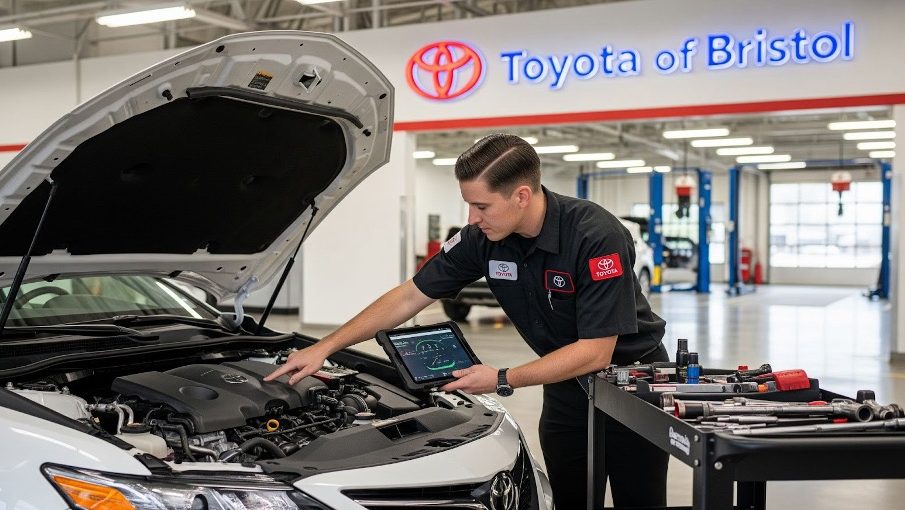
Professional mechanics use advanced diagnostic tools and experience to locate hidden engine issues.
Conclusion
Engine noise is often an early signal that something inside the vehicle needs attention. By understanding common sounds such as knocking, ticking, grinding, or squealing, drivers can quickly identify potential issues and take appropriate action.
Regular maintenance, careful listening, and timely repairs ensure that your engine remains reliable, efficient, and long-lasting.
Frequently Asked Questions (FAQs)
1. What is the most common cause of engine noise?
Low engine oil or poor lubrication is one of the most common causes of engine noise, particularly ticking or knocking sounds.
2. Is it safe to drive with engine knocking?
Driving with engine knocking can cause serious internal damage. It is best to diagnose and repair the issue immediately.
3. Can bad spark plugs cause engine noise?
Yes. Faulty or worn spark plugs can cause knocking, misfires, and rough engine performance.
4. Why does my engine make noise when starting?
Startup noise may result from low oil pressure, worn components, or loose belts.
5. How can I tell if the noise is coming from the engine or transmission?
Engine noise usually changes with engine speed, while transmission noise typically occurs when shifting gears.
6. Can engine noise disappear on its own?
Sometimes temporary noise may disappear, but recurring sounds usually indicate underlying mechanical problems.
7. What tool helps mechanics diagnose engine noise?
Mechanics often use a mechanic’s stethoscope or electronic diagnostic equipment to locate the exact source of engine noise.