How Electric Vehicle Batteries Work and How Long They Last
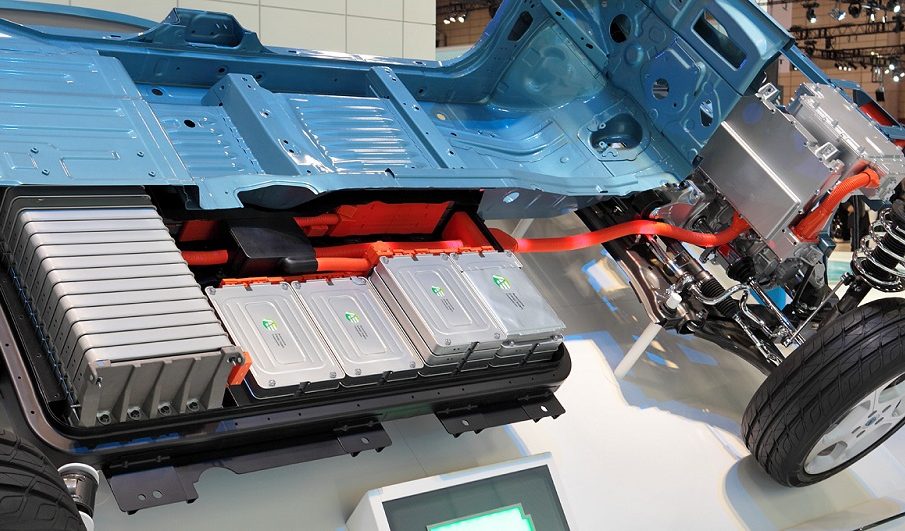
Electric vehicles are transforming the automotive industry, and at the heart of every EV is its battery system. Unlike traditional cars that rely on fuel tanks and combustion engines, electric vehicles depend entirely on stored electrical energy to power their motors.
Understanding how EV batteries function and how long they typically last helps drivers make smarter decisions when considering electric mobility.
What Is an Electric Vehicle Battery?
An electric vehicle battery is a rechargeable energy storage system that supplies power to the car’s electric motor. Most modern EVs use lithium-ion batteries, similar to those used in smartphones and laptops but much larger and more powerful.
These battery packs are usually installed under the vehicle floor, which helps improve stability and maximize cabin space.
Main Components of an EV Battery Pack
- Battery cells – Small individual units that store electrical energy
- Battery modules – Groups of cells connected together
- Battery pack – A complete system consisting of multiple modules
- Battery management system (BMS) – Software that monitors battery health, temperature, and charging
This structure allows EV batteries to deliver large amounts of power efficiently while maintaining safety and durability.
How Electric Vehicle Batteries Work
Electric vehicle batteries store energy through chemical reactions. When the battery charges, electricity moves lithium ions between electrodes inside the cells. When the vehicle is driven, the ions move back, generating electrical energy that powers the motor.
Basic Working Process
- Charging Phase
Electricity from a charging station flows into the battery pack and stores energy inside lithium-ion cells. - Energy Storage
The battery holds electrical energy as chemical potential energy. - Power Delivery
When the driver accelerates, the battery sends electricity to the electric motor. - Regenerative Braking
During braking, the motor acts as a generator and returns some energy back to the battery.
This system improves efficiency by recovering energy that would otherwise be lost.
Types of Batteries Used in Electric Vehicles
Different battery technologies are used in electric vehicles, although lithium-ion batteries dominate the market today.
1. Lithium-Ion Batteries
These are the most common EV batteries because they offer:
- High energy density
- Long lifespan
- Lightweight construction
- Fast charging capability
2. Nickel-Metal Hydride Batteries
These batteries were widely used in earlier hybrid vehicles.
Advantages include:
- Durable design
- Good safety characteristics
However, they are heavier and store less energy than lithium-ion batteries.
3. Solid-State Batteries (Future Technology)
Solid-state batteries are currently under development and promise major improvements.
Potential benefits include:
- Faster charging
- Higher energy density
- Increased safety
- Longer lifespan
Many manufacturers are investing heavily in this next-generation battery technology.
How Long Do Electric Vehicle Batteries Last?
Electric vehicle batteries are designed to last for many years. Most modern EV batteries can operate effectively for 8 to 15 years, depending on usage and environmental conditions.
Typical Battery Lifespan
- 8–10 years in demanding driving conditions
- 10–15 years with proper maintenance and moderate use
- Many EV manufacturers offer 8-year battery warranties
Even after this period, the battery may still function but with reduced capacity.
Battery Degradation Explained
Over time, EV batteries gradually lose their ability to store energy. This process is known as battery degradation.
For example:
- A battery with a 400 km range when new may drop to 320–350 km after several years.
However, modern battery technology is improving, and degradation rates are becoming slower.
Factors That Affect EV Battery Life
Several factors influence how long an electric vehicle battery lasts.
1. Charging Habits
Frequent use of fast charging can increase battery stress and accelerate degradation.
2. Temperature
Extreme heat or cold conditions can impact battery performance and lifespan.
3. Driving Patterns
Aggressive acceleration and high-speed driving can drain the battery faster.
4. Depth of Discharge
Regularly draining the battery to extremely low levels may shorten its life.
5. Battery Management System
Modern EVs include advanced software that protects batteries from overheating or overcharging.
Tips to Extend Electric Vehicle Battery Life
Drivers can follow several practices to keep EV batteries healthy for longer.
Helpful Battery Care Tips
- Avoid charging to 100% daily unless needed for long trips
- Try to keep the battery level between 20% and 80%
- Limit frequent use of high-speed fast chargers
- Park in shaded or temperature-controlled areas
- Use scheduled charging when possible
These habits help maintain battery performance over time.
What Happens to EV Batteries After They Wear Out?
Even after they lose efficiency for vehicle use, EV batteries still retain a significant amount of energy capacity.
Many companies reuse older batteries for:
- Energy storage systems
- Solar power backup
- Grid stabilization projects
Eventually, EV batteries can also be recycled to recover valuable materials such as lithium, nickel, and cobalt.
Frequently Asked Questions (FAQ)
1. How expensive is an electric vehicle battery replacement?
Battery replacement costs vary widely but typically range between $5,000 and $15,000, depending on the vehicle model and battery size.
2. Do electric vehicle batteries degrade quickly?
No. Most modern EV batteries lose only 1–2% capacity per year, meaning they can remain usable for over a decade.
3. Can EV batteries be recycled?
Yes. Many battery components, including lithium, nickel, and cobalt, can be recycled and reused in new batteries.
4. Does fast charging damage EV batteries?
Frequent fast charging may slightly accelerate battery wear, but modern battery management systems minimize this impact.
5. How long does it take to charge an electric vehicle?
Charging time depends on the charger type. Home charging may take 6–10 hours, while fast chargers can recharge up to 80% in 30–45 minutes.
6. Do EV batteries lose range over time?
Yes. Battery capacity gradually decreases over time, which slightly reduces the vehicle’s driving range.
7. Are electric vehicle batteries safe?
Modern EV batteries include multiple safety systems that monitor temperature, voltage, and performance to prevent overheating or failure.