Car Repair: A Complete Guide to Keeping Your Vehicle in Top Condition
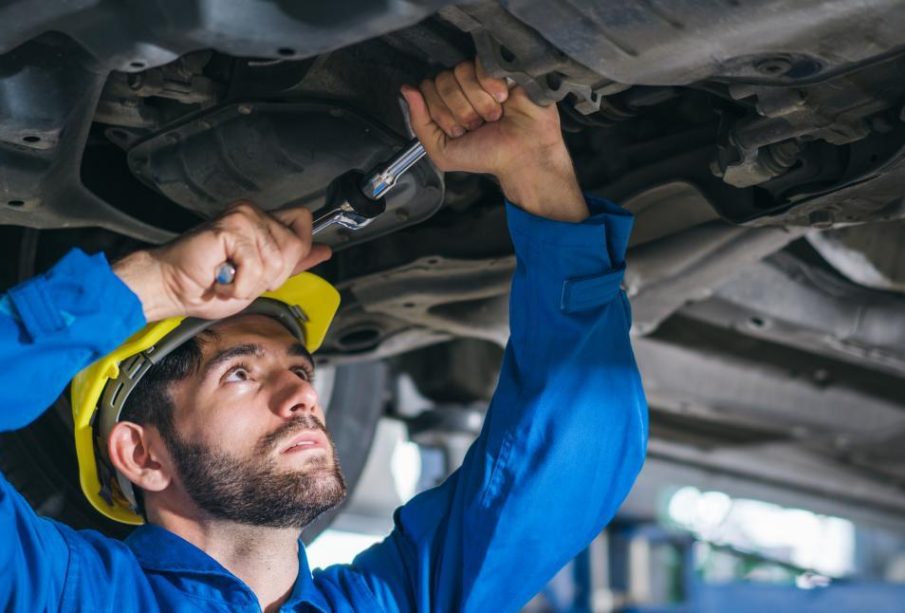
Car repair is an essential part of vehicle ownership. Whether you drive daily for commuting or occasional trips, your car requires regular maintenance and timely repairs to remain reliable and safe. Ignoring small issues can quickly turn into expensive problems, affecting both performance and safety.
Understanding basic car repair concepts helps drivers identify early warning signs, make informed decisions at repair shops, and extend the lifespan of their vehicles. This guide explains the most common car repairs, preventive maintenance tips, and how to keep your car running smoothly.
Why Car Repair and Maintenance Matter
Routine maintenance and timely repairs are crucial for keeping your vehicle operating efficiently. Modern cars consist of thousands of components working together, and even a small failure can impact the entire system.
Key benefits of regular car repair and maintenance include:
- Improved safety: Properly maintained brakes, tires, and steering reduce accident risks.
- Better fuel efficiency: Well-maintained engines consume less fuel.
- Extended vehicle lifespan: Regular servicing prevents major breakdowns.
- Lower long-term costs: Fixing small problems early avoids costly repairs later.
- Enhanced resale value: A properly maintained vehicle holds its value better.
Drivers who follow maintenance schedules usually experience fewer mechanical failures and smoother driving performance.
Common Car Repairs Every Driver Should Know
Many car problems are common across most vehicles. Knowing these issues helps drivers recognize early warning signs.
1. Brake System Repairs
Brakes are among the most important safety components in any vehicle.
Common brake repairs include:
- Replacing brake pads
- Repairing or replacing brake rotors
- Fixing brake fluid leaks
- Replacing worn brake calipers
Signs your brakes need repair:
- Squeaking or grinding noise
- Vibrations while braking
- Increased stopping distance
- Brake warning light on the dashboard
2. Engine Repairs
The engine is the heart of a vehicle. Engine repairs can range from minor fixes to complex overhauls.
Typical engine issues include:
- Faulty spark plugs
- Oil leaks
- Overheating
- Timing belt problems
- Malfunctioning sensors
Symptoms of engine trouble may include reduced power, unusual noises, smoke from the exhaust, or poor fuel economy.
3. Battery Replacement
Car batteries usually last between 3 to 5 years, depending on usage and climate.
Common battery issues include:
- Slow engine start
- Dim headlights
- Corrosion on battery terminals
- Electrical system failures
Replacing the battery on time prevents unexpected breakdowns.
4. Transmission Repairs
The transmission system transfers engine power to the wheels. When it fails, the car may struggle to shift gears.
Common transmission problems include:
- Delayed gear shifting
- Slipping gears
- Transmission fluid leaks
- Grinding noises
Transmission repairs can be expensive, so early diagnosis is important.
5. Suspension and Steering Repairs
The suspension system ensures smooth driving and proper vehicle control.
Common suspension issues:
- Worn shock absorbers
- Damaged struts
- Broken control arms
- Loose steering components
Symptoms include:
- Uneven tire wear
- Bumpy rides
- Vehicle pulling to one side
- Difficulty steering
Essential Car Maintenance Tips
Preventive maintenance is the best way to reduce repair costs and keep your vehicle in excellent condition.
Regular Oil Changes
Engine oil lubricates moving parts and prevents overheating. Most vehicles require oil changes every 5,000–10,000 kilometers, depending on the oil type and driving conditions.
Tire Maintenance
Proper tire care improves safety and fuel efficiency.
Important tire maintenance practices:
- Check tire pressure regularly
- Rotate tires every 8,000–10,000 km
- Replace worn tires
- Maintain proper wheel alignment
Check Fluids Frequently
Cars rely on several fluids to operate properly.
Important fluids include:
- Engine oil
- Coolant
- Brake fluid
- Transmission fluid
- Power steering fluid
Low or contaminated fluids can cause serious mechanical damage.
Replace Air Filters
A clogged air filter reduces engine performance and fuel efficiency. Replacing the filter regularly allows the engine to receive clean air for combustion.
Inspect Belts and Hoses
Rubber belts and hoses degrade over time. Inspect them for:
- Cracks
- Fraying
- Leaks
- Hardening
Replacing worn components prevents sudden breakdowns.
Signs Your Car Needs Immediate Repair
Ignoring warning signs can lead to severe mechanical damage. If you notice any of the following symptoms, seek professional inspection quickly:
- Warning lights on the dashboard
- Unusual engine noises
- Smoke or burning smell
- Sudden loss of power
- Fluid leaks under the vehicle
- Excessive vibration while driving
Early detection often reduces repair costs and prevents safety hazards.
DIY Car Repairs vs Professional Service
Some minor maintenance tasks can be done at home, while others require professional expertise.
DIY Repairs
Drivers can safely perform tasks such as:
- Replacing windshield wipers
- Checking tire pressure
- Changing engine oil
- Replacing air filters
- Jump-starting a battery
Professional Repairs
Complex repairs should always be handled by certified mechanics, including:
- Transmission repairs
- Engine diagnostics
- Brake system replacement
- Electrical system issues
- Suspension repairs
Professional technicians have specialized tools and diagnostic equipment to fix problems accurately.
How to Choose a Reliable Car Repair Shop
Selecting the right repair shop ensures quality service and fair pricing.
When choosing a mechanic, consider the following:
- Certification and training
- Customer reviews and reputation
- Transparent pricing
- Warranty on repairs
- Clear communication
Building a relationship with a trusted repair shop can make vehicle maintenance simpler and more reliable.
The Future of Car Repair
Modern vehicles are becoming increasingly advanced with electronic systems, sensors, and computer-controlled components.
Emerging trends in car repair include:
- Advanced diagnostic tools
- Electric vehicle maintenance
- Software updates and recalibration
- Predictive maintenance systems
As automotive technology evolves, skilled technicians and specialized equipment will play an even larger role in vehicle repair.
Conclusion
Car repair is an unavoidable aspect of vehicle ownership, but with proper care and timely maintenance, drivers can significantly reduce costly breakdowns. Understanding common repairs, recognizing warning signs, and following routine maintenance schedules helps ensure a safe, efficient, and long-lasting vehicle.
Investing time in preventive care not only protects your car but also enhances driving comfort and peace of mind.
Frequently Asked Questions (FAQs)
1. How often should a car be serviced?
Most vehicles should be serviced every 6 months or 10,000 kilometers, depending on driving conditions and manufacturer recommendations.
2. What is the most common car repair?
Brake pad replacement is one of the most common repairs because brake pads naturally wear down with regular use.
3. Can regular maintenance prevent major repairs?
Yes. Routine maintenance such as oil changes, fluid checks, and inspections helps identify problems early and prevents expensive repairs.
4. How do I know if my car battery is failing?
Signs include slow engine cranking, dim lights, electrical issues, and difficulty starting the vehicle.
5. Is it safe to drive with a dashboard warning light on?
It depends on the light. Some warnings indicate minor issues, while others signal serious problems. It is best to have the vehicle inspected immediately.
6. What causes a car engine to overheat?
Overheating can occur due to low coolant levels, a faulty radiator, a broken thermostat, or cooling system leaks.
7. How can I reduce car repair costs?
You can reduce costs by following a regular maintenance schedule, fixing small problems early, and using quality replacement parts.